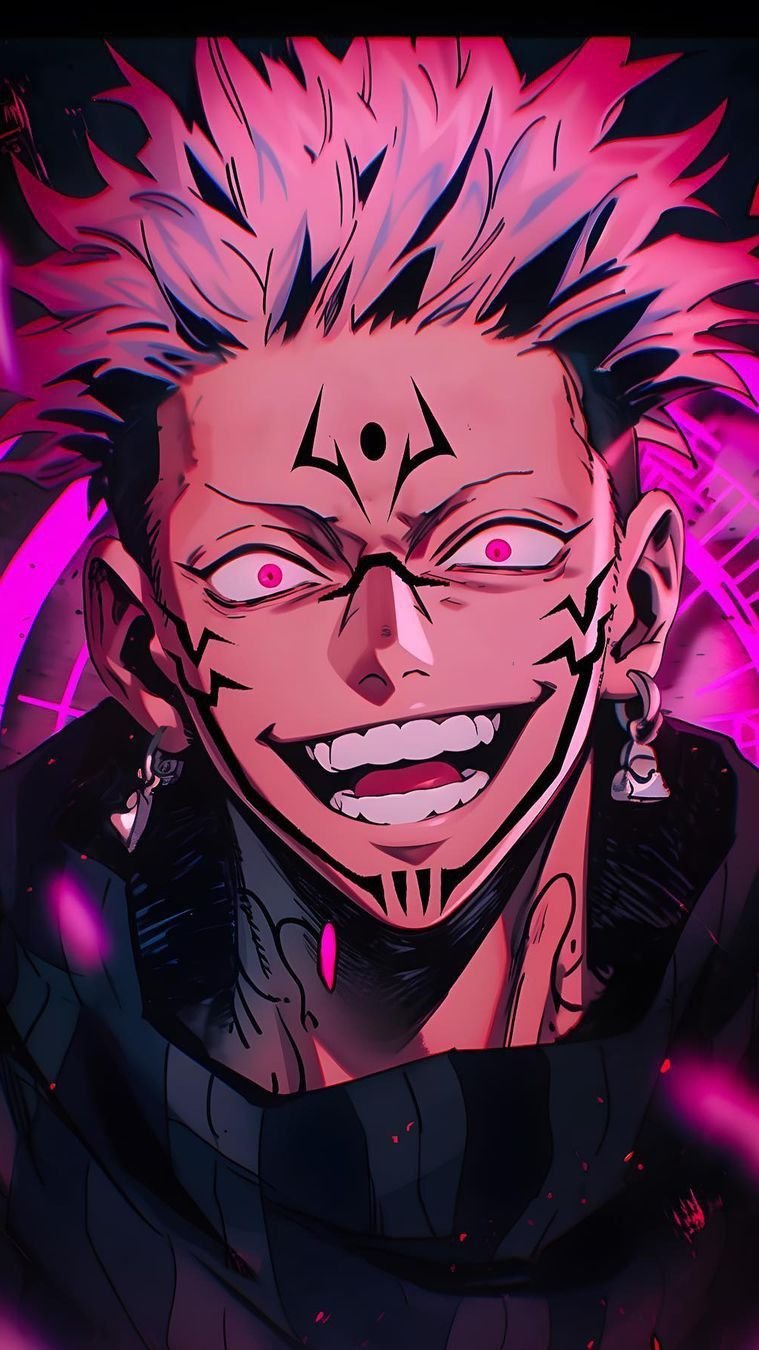
Sukuna In Gintama Explained: His Unique Presence in the Anime
The internet is a wonderful, wild place, and sometimes a search query pops up that makes you do a double-take. "Sukuna in Gintama" is definitely one of those. If you’ve landed here, you’re likely intrigued, perhaps a little confused, or simply wondering if the King of Curses from Jujutsu Kaisen somehow made a secret cameo in the hilariously chaotic world of Gintama.
Let's cut right to the chase: Ryomen Sukuna, the terrifying antagonist of Jujutsu Kaisen, does not literally appear in Gintama. The two series operate in entirely different universes, created by different mangaka, and with vastly different tones – one a dark, supernatural shonen and the other a genre-bending comedy-drama.
However, the question itself is fascinating. It opens up a fantastic opportunity to explore why such a query might arise and what it truly means to look for a "Sukuna" in a series like Gintama. Is it a fan imagining a parody? Are readers seeking characters with similar archetypal traits? Or is it a testament to Gintama's reputation for pulling off the impossible? This super pillar hub is your definitive guide to understanding this unique intersection, clarifying the facts, and having some fun imagining the possibilities.
Is Sukuna Really in Gintama? Unpacking the Mix-Up
Given Gintama's legendary status for parodying virtually every major anime and manga series under the sun, it's a completely understandable assumption that Sukuna might have been one of its targets. From Dragon Ball to One Piece, Gintama has never shied away from lampooning popular culture. The timing, however, is key. Gintama concluded its main manga run in 2019, while Jujutsu Kaisen truly exploded in popularity with its anime adaptation starting in late 2020. This chronological gap means that a direct, official parody of Sukuna by the Gintama crew was simply not possible.
So, while you won't find Sukuna literally sharing screen time with Gintoki and the Yorozuya, the spirit of your question points to something deeper: the search for similar themes, character archetypes, or even the sheer imagination of "what if?" If you're still wondering if , we have a dedicated guide to set the record straight on any potential confusion.
The "Gintama Sukuna": Parody Potential and Similar Archetypes
Even if a direct parody didn't happen, it's incredibly fun to imagine how Gintama might have approached Ryomen Sukuna. Would he be a cosmic entity complaining about the cost of rent? Would his Domain Expansion be a cluttered apartment filled with dirty laundry? Gintama's humor often comes from stripping powerful characters of their grandeur, and Sukuna, with his immense power and solemn demeanor, would be ripe for such treatment.
Beyond direct parody, perhaps what readers are truly seeking are characters within Gintama who embody certain "Sukuna-like" traits. Gintama is filled with complex figures who possess incredible strength, a dark past, a dual nature, or serve as formidable antagonists. We could look at characters with overwhelming power, those who harbor ancient, destructive forces, or even individuals who, like Sukuna, represent an unyielding, almost chaotic evil, albeit usually with a comedic twist or a surprising depth unique to Gintama. To , dive into our specialized pillar that draws fascinating conceptual parallels.
Diving Deep into the Real Sukuna: Who is the King of Curses?
To truly appreciate the context of "Sukuna in Gintama," it’s essential to understand who Sukuna really is. Ryomen Sukuna is the primary antagonist of Jujutsu Kaisen, revered and feared as the undisputed "King of Curses." His presence looms large over the series, a force of unparalleled power and malevolence. For those curious to , we have a comprehensive article detailing his terrifying journey.
Sukuna's Terrifying Power and Domain Expansion: Unrivaled Might and the Malevolent Shrine
Sukuna’s legend dates back over a thousand years to the Heian Era, where he was a human Jujutsu sorcerer of such immense power that all other sorcerers of his time had to unite to defeat him. Unable to destroy him entirely, his 20 fingers were severed and sealed as Special Grade Cursed Objects. His soul now resides within Yuji Itadori, slowly regaining his full strength as Yuji consumes more fingers. In the anime's second season, Yuji has consumed 15 fingers, bringing Sukuna to 75% of his terrifying potential.
His most dangerous ability is his Domain Expansion, Malevolent Shrine. This technique is unique, as it's the only known domain that doesn't create a barrier, instead expanding its sure-hit effect outwards, making it incredibly difficult to counter. To , our dedicated guide provides all the details on this catastrophic technique.
Mythological Roots: The Two-Faced Spirit
Sukuna's character is deeply rooted in Japanese mythology and history. The name "Ryomen Sukuna" originates from the Nihon Shoki (The Chronicles of Japan), describing a powerful being with two faces, two pairs of arms, and two pairs of legs. Historically, he was portrayed as an enemy of the Emperor, often raiding villages. However, he was also revered by many as a hero, even a minor deity, credited with founding temples and introducing Buddhism to the Hida Province.
This duality—being seen as both hero and villain—is perfectly encapsulated in his name, "Ryomen Sukuna," which literally translates to "spirit of two faces." This mirrors the Jujutsu Kaisen character, who embodies a similar anti-authoritarian stance and a morally ambiguous nature depending on one's perspective. To , explore our article dedicated to his historical and mythical inspirations.
A Tragic Origin Story: The Unwanted Child
While initially presented as pure evil, Sukuna's manga backstory reveals a tragic and complex origin. He reveals himself as an "unwanted child," hinting at a profoundly traumatic childhood. In Chapter 257, it's implied he consumed his twin brother in the womb for survival, believing his mother starved them. This act likely led to his deformed birth, causing society or his family to view him as a "monster" and neglect him. This lack of parental love fostered a deep-seated philophobia – a fear of love. He ultimately rejects paths of love offered by characters like Yorozu and Uraume, embracing his "curse" of hatred. To , delve into the full explanation of his heartbreaking past.
Connecting the Worlds: Themes and Tones
The juxtaposition of a character like Sukuna with the world of Gintama highlights the vast differences in their narrative approaches. Jujutsu Kaisen is a story steeped in existential dread, the weight of curses, and the often-grim battle for survival against overwhelming evil. Gintama, on the other hand, masterfully blends slapstick comedy, profound philosophical moments, emotional drama, and intense action, often within the same episode.
What if Gintama and JJK Crossover? Imagining the Hilarious Chaos
While an official crossover featuring Sukuna is a pipe dream, it's endlessly entertaining to imagine the scenario. How would Gintoki react to a Special Grade Curse? Would Sukuna tolerate Kagura's antics? Would Shinpachi be reduced to a glasses frame in terror? The potential for hilarious culture clashes, absurd power scaling, and unexpected character interactions is boundless. Imagine Sukuna trying to assert dominance over Hasegawa! If you're ready to , our dedicated piece explores the comedic goldmine this unlikely pairing could create.
Beyond the Literal: The Enduring Power of Fan Imagination
Ultimately, the query "Sukuna in Gintama explained" is a testament to the power of fan imagination and the shared cultural space created by anime and manga. While Sukuna may not be a canon character in Gintama, the very thought of it sparks curiosity, comparison, and comedic potential. It highlights how powerful character archetypes and storytelling can transcend their original series, allowing us to find echoes and imagine possibilities across different fictional worlds. So, while Sukuna remains firmly in the realm of Jujutsu Kaisen, the mental exercise of placing him in Gintama's universe offers a unique lens through which to appreciate both series anew.